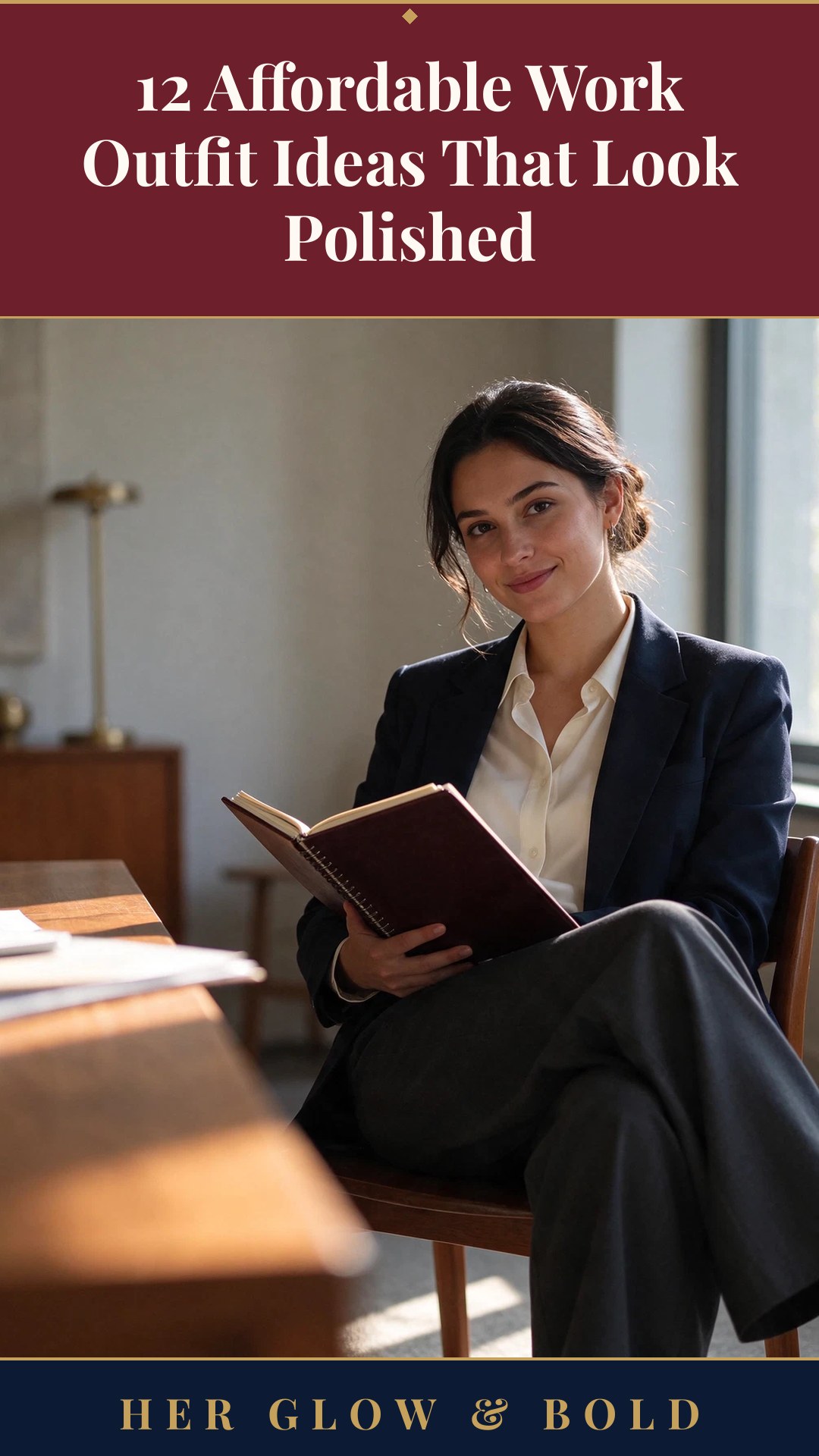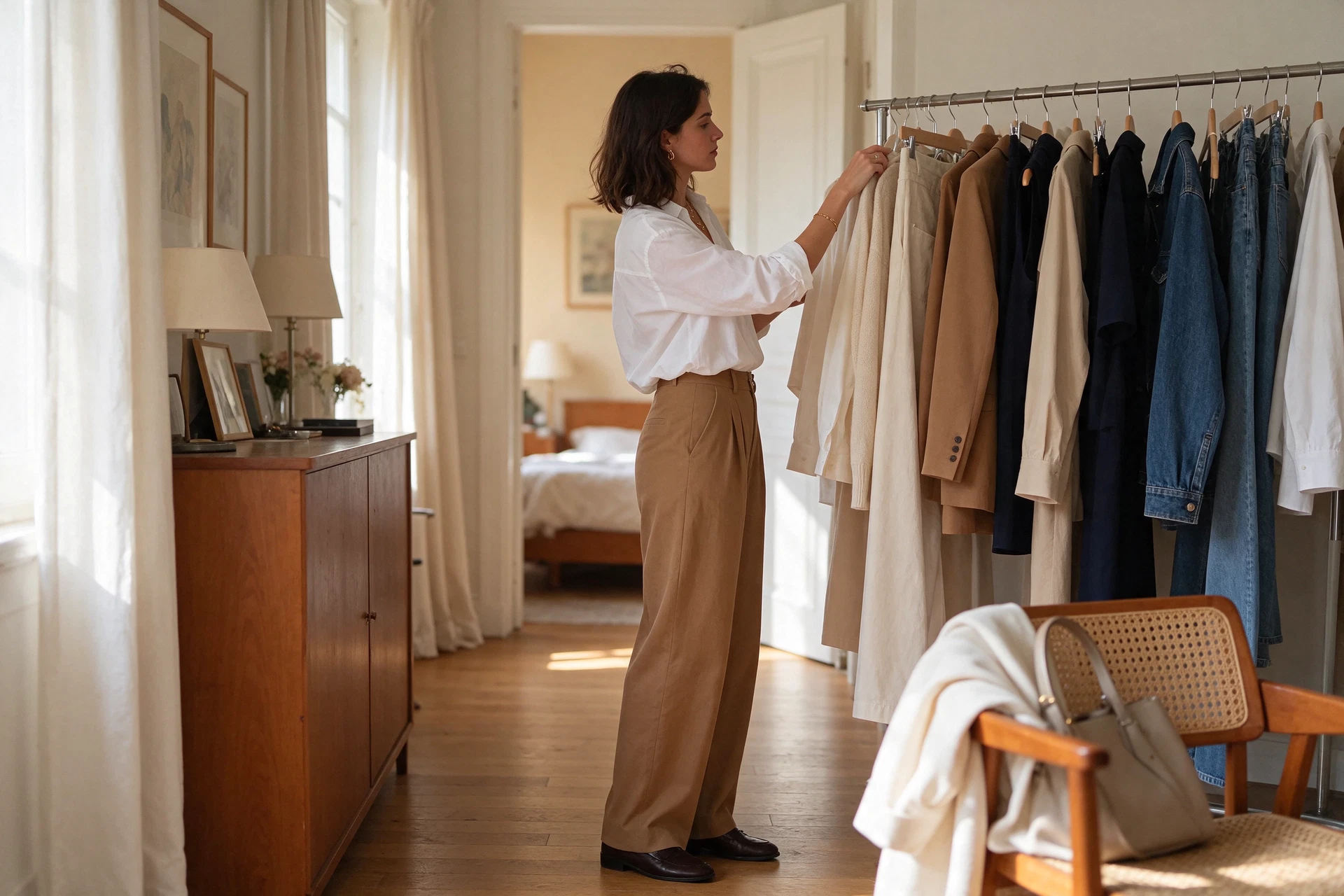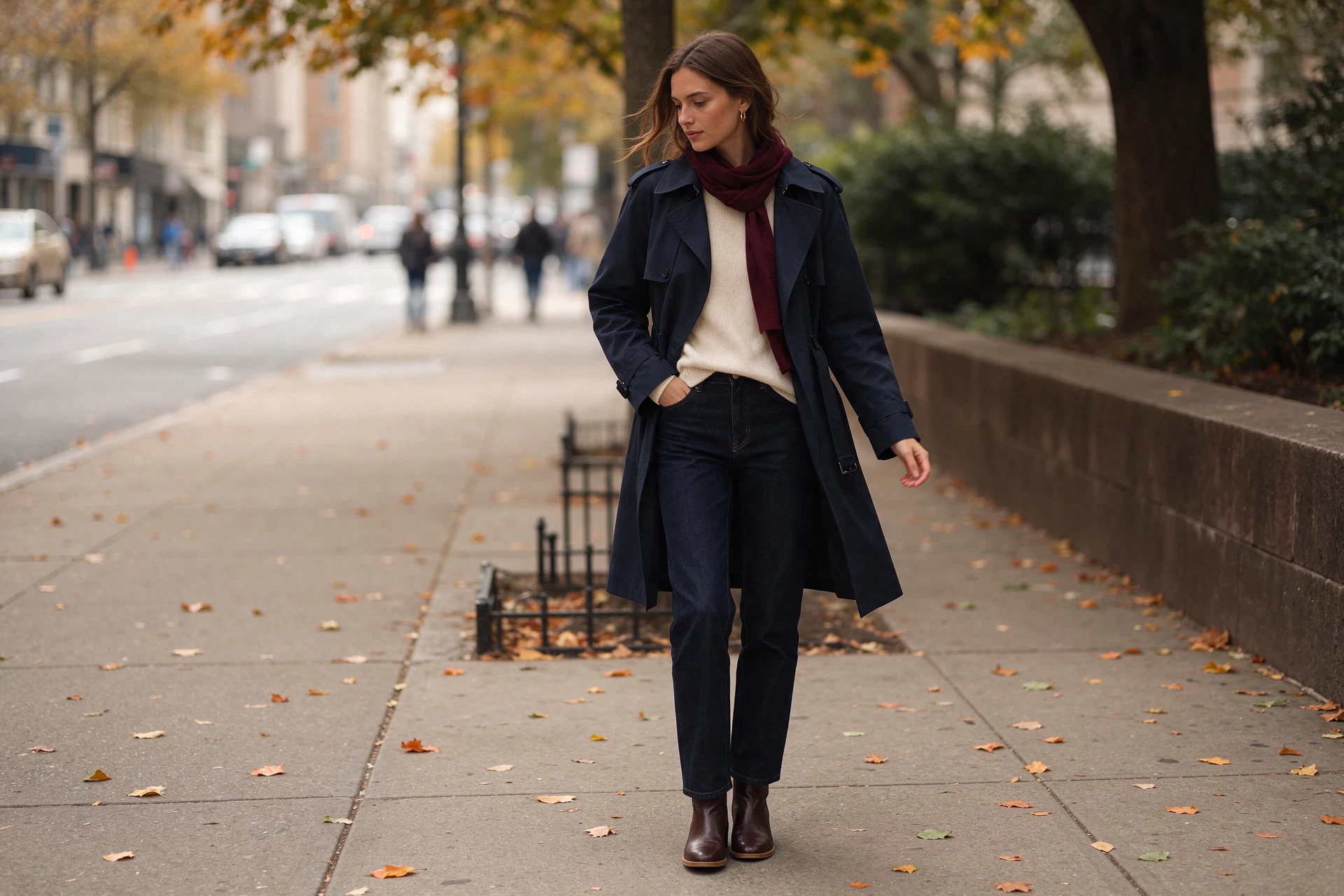

A work wardrobe earns its keep when its pieces mix easily, feel good through a full day, and suit the rules of your particular office. Before shopping, note what colleagues actually wear, review any written dress guidance, and consider your daily tasks. A creative studio, a client-facing firm, and a workplace with protective clothing needs may call for very different choices. When in doubt, ask a manager or HR contact rather than assuming one definition of office-ready applies everywhere.
12 chic work outfits to make with affordable staples
1. Straight-leg trousers, a tee, and a blazer
Pair dark or neutral straight-leg trousers with a clean, opaque crew-neck tee and a lightly structured blazer. Choose a tee with a neckline and sleeve length that fit your office norms; tuck it in for a sharper line. Loafers or neat flats keep the outfit comfortable, while a simple belt pulls the pieces together.
A CONSIDERED FIND
A practical pick to consider
Product links on this page are affiliate links. If you buy through them, Her Glow & Bold may earn a small commission at no extra cost to you. Prices change often — check today’s price on AliExpress.
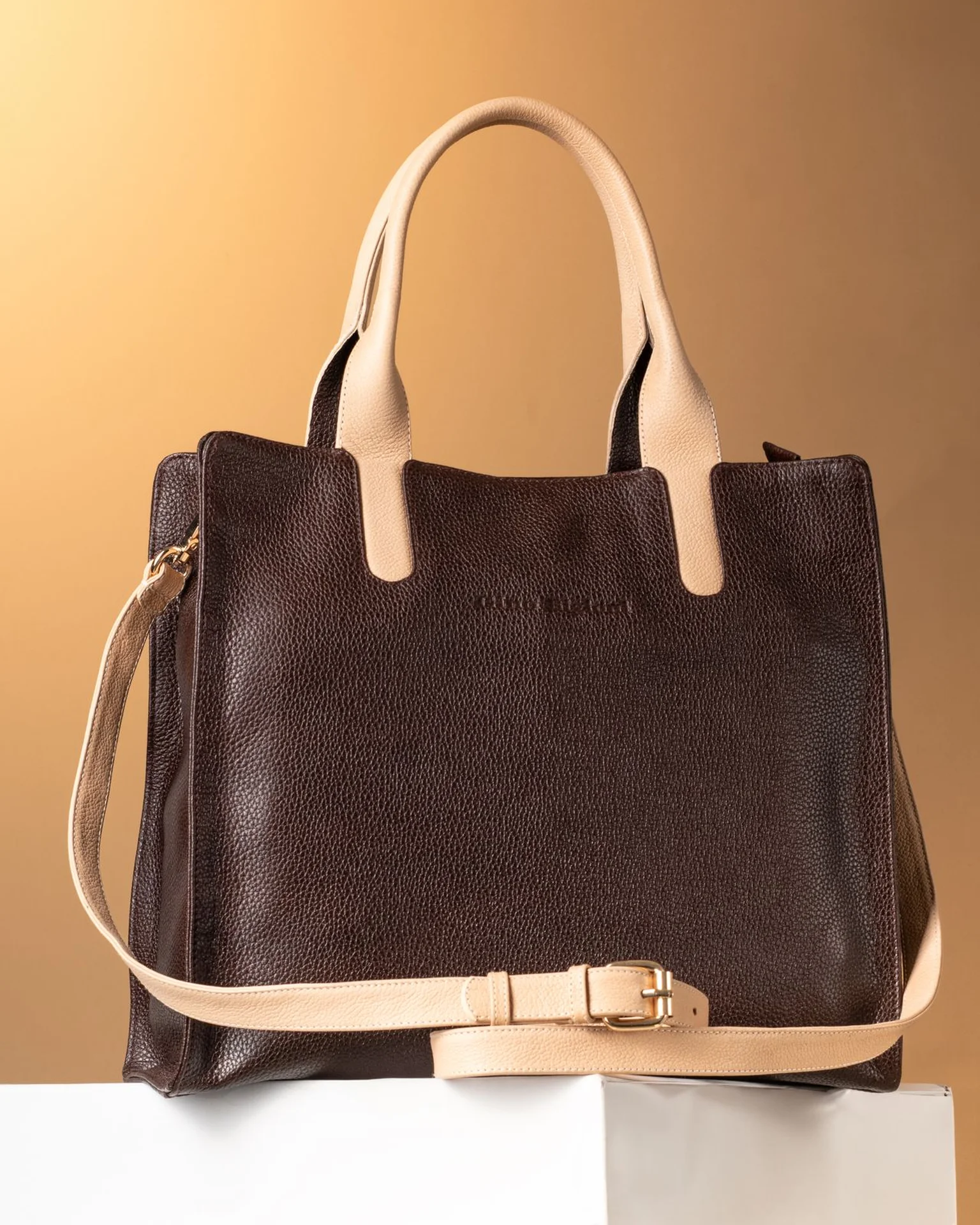
A structured work tote bag
A structured tote that holds a laptop and daily essentials. Check the strap length and inner pockets.
Shop on AliExpress →2. Midi skirt and fine-gauge knit
A knee-to-midi-length skirt and a thin sweater make an easy polished pairing. Tuck or gently half-tuck the knit, and add opaque tights if they suit the season and local dress expectations. Flat shoes work well for a commute; a low block heel is an option if it is comfortable for you.
3. Button-down shirt with ankle trousers
Wear a cotton or cotton-blend button-down with ankle-length trousers. Roll or button the cuffs neatly, and leave the shirt untucked only if the hem is designed for it and the result looks intentional. A modest necklace or small earrings add detail without complicating the outfit.
4. One-color column with a contrasting layer
Build a base from a top and trousers in similar shades—navy with navy, for example—then add a cardigan or blazer in a contrasting neutral. Tonal dressing makes separate pieces feel coordinated, but the shades do not have to match exactly. Comfortable flats or loafers finish the look.
5. Knit dress with a cardigan
Choose a knit dress that allows you to sit, reach, and move comfortably, then layer on a cardigan for warmth and coverage. Check that the fabric is opaque in bright light and that the hem works for your workplace. Add a belt only if it feels comfortable; simple flats keep the outfit low-fuss.
6. Wide-leg trousers and a tucked-in blouse
Balance fluid, wide-leg trousers with a blouse that stays neatly tucked or falls to a deliberate hem. A drapey fabric can look refined without being precious. Wear shoes with enough support for your day; a low block heel is optional, not a requirement for looking polished.
7. Dark jeans, a jacket, and a refined top
If your workplace permits denim, try clean, dark, non-distressed jeans with a polished blouse or knit top and a tailored jacket. Keep the wash even and the fit comfortable. If jeans are not allowed—or are unsuitable for a meeting—swap in the trousers from outfit one and keep the rest.
8. Shirt dress with a belt or open layer
A shirt dress can become a one-piece outfit with little effort. Wear it on its own if its cut and hem meet your office guidelines, or add a cardigan or blazer. A belt is optional: skip it if it restricts movement. Flats or loafers suit many commutes.
9. Printed blouse with solid separates
Let one patterned blouse be the focal point and pair it with solid trousers or a skirt in a color already present in the print. This is a practical way to make repeat-worn basics feel fresh. Keep accessories simple, and choose a print scale and neckline that feel right for your office.
10. Matching separates, worn together or apart
A two-piece set in a neutral or subtle pattern offers several outfits for the price of two garments. Wear the pieces together for a coordinated look, then pair the jacket with a plain tee and the trousers with a sweater. Verify that both pieces work with shoes you already own before buying.
11. Soft trousers, shell top, and long cardigan
For a relaxed business-casual office, combine well-fitting pull-on trousers with a simple shell or knit top and a long cardigan. Look for fabric that holds its shape and is not sheer. A structured tote and clean loafers can make soft layers feel purposeful; more formal settings may call for tailored trousers instead.
12. Simple top, tailored vest, and trousers
Layer a tailored vest over an opaque tee, blouse, or fine knit, then add straight or wide-leg trousers. The vest provides structure without a full blazer and can be removed if the room is warm. Check your workplace’s expectations for sleeveless or layered tops, and choose comfortable flats or low heels.
Spend strategically, then make the clothes last
Begin with a short list of gaps, not a fantasy closet. Two bottoms, a few tops, one washable third layer, and shoes that suit your commute can form a useful starting rotation; the exact mix depends on your climate, schedule, and dress code. Shop your own closet first and try combinations on before deciding what is missing. For a broader planning approach, see The Ultimate Capsule Wardrobe: 15 Pieces, Endless Outfits.
Secondhand shops, resale platforms, clothing swaps, and end-of-season sales can be good places to look for blazers, skirts, and quality fabrics. Inspect seams, zippers, stains, lining, and underarm areas, and check the return policy. Compare the garment’s total cost—including alterations—with what you would pay for a similar new item. Buy only pieces you can picture wearing in at least a few combinations.
Fit often matters more than a label. A hem adjustment or a small waist alteration may help an affordable find sit better, but ask for a quote first and avoid altering a piece that still feels uncomfortable. Keep a small repair kit or use a local tailor for loose buttons and seams. Follow care labels, air garments between wears when appropriate, spot-clean promptly, and store knits folded so they keep their shape.
Comfort deserves the same attention as appearance. Flats, loafers, and low block heels are useful options, not universal requirements. Try shoes late in the day if your feet tend to swell, and make sure there is enough room to walk and stand. For more ideas, explore The Ultimate Capsule Wardrobe: 15 Pieces, Endless Outfits. Keep a lint roller or spare button at work if those small fixes help your routine.
Make your own office formula
Repeat what works. A small rotation is not a style failure; it is a practical way to reduce morning decisions and get more wear from each purchase. Use one standout item at a time, repeat reliable colors, and adapt layers as temperatures change. Most important, treat these looks as flexible ideas rather than rules: your office’s written guidance, local norms, comfort, and job requirements should lead the final choice.