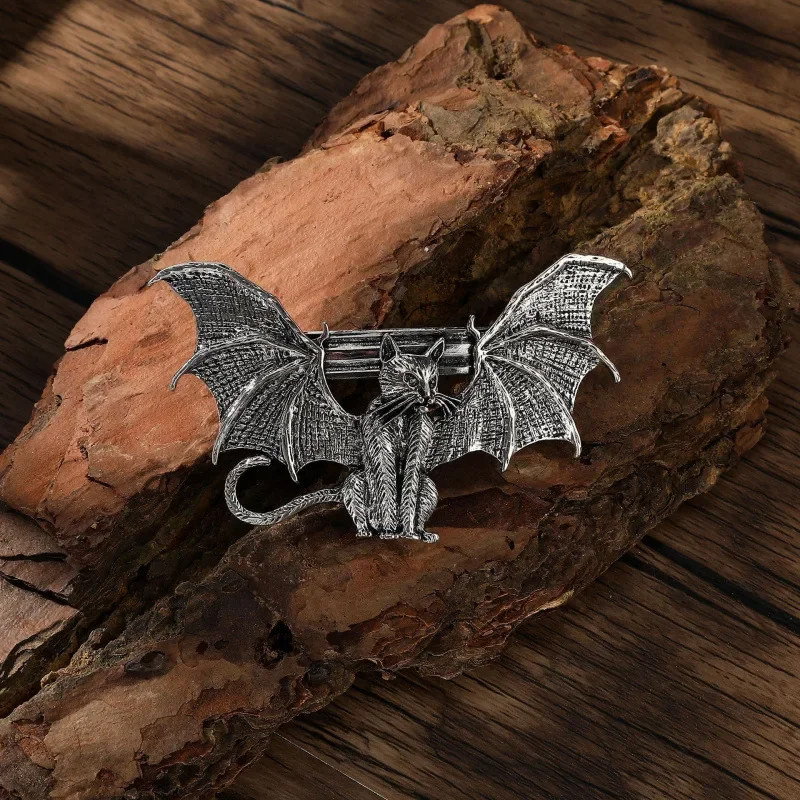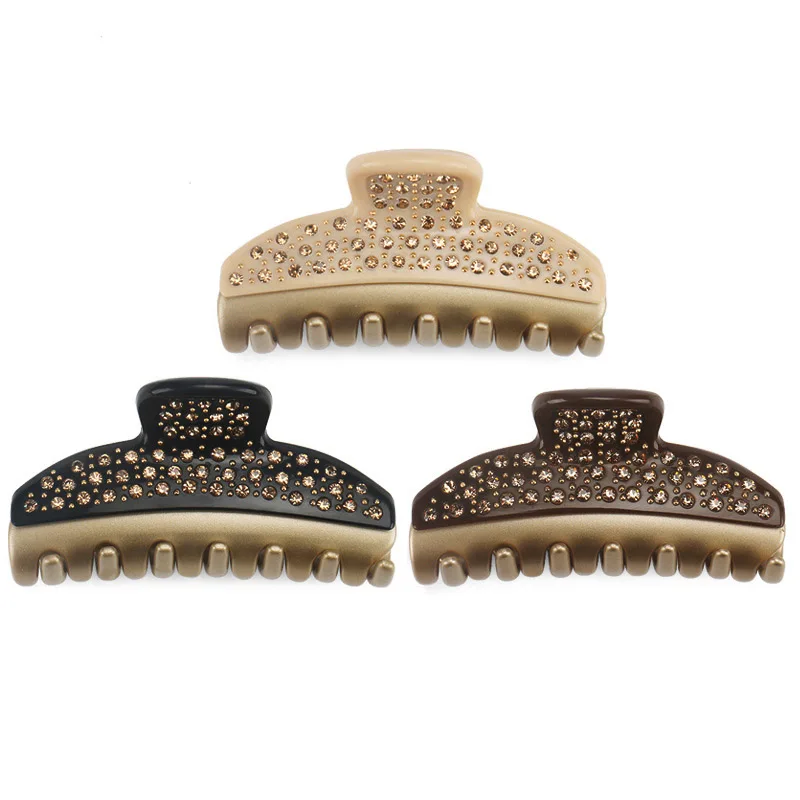
Winter is hard on hair: cold air outside and dry heating inside pull moisture out of every strand, leaving hair dry, flyaway, and split at the ends. The good news is you do not need expensive new products — just five small fixes that put moisture back and protect your hair until spring.
Why winter is hard on hair
Hair is like skin: it needs moisture, and winter steals it from both sides. Cold, dry air outside dries the strands out, and indoor heating dries the air even more. The result: dull hair, static that makes strands fly in every direction, and ends that split faster. The answer is not washing more — it is washing less, moisturising more, and protecting against friction.
Fix 1: Wash less, condition more
Daily washing strips away the natural oils that protect your hair, and in winter those oils do not come back quickly. Wash two or three times a week instead of every day, and use a rich conditioner every time — leave it in for two full minutes before rinsing. Practical tip: if the roots look oily between washes, a dry shampoo brushed through the roots only is enough, and never touch the ends with it.
Fix 2: Leave-in conditioner + a drop of oil
After washing, put a small amount of leave-in conditioner on the lengths and ends only — never on the roots. Then add one or two drops of oil to the ends while they are still slightly damp: the oil seals moisture inside the strand and stops it evaporating into dry air. Practical tip: too much oil weighs hair down and makes it look greasy — start with one drop, and add more only if the ends still look dry.
Fix 3: A silk pillowcase and a lined hat
Most winter hair breakage happens while you sleep: a cotton pillowcase absorbs moisture and rubs against your hair all night. A silk pillowcase reduces friction and keeps moisture in, so you wake up with less tangled hair. A winter hat is a similar problem: rough wool rubs the hair and creates static — choose a hat lined with smooth fabric, or wear a light silk scarf under your hat.
Fix 4: Tame the static
Static is the most annoying winter symptom: dry hair loses moisture and starts flying with every touch. The quick fix: a light mist of hairspray on the brush before brushing, never directly on the hair. The deeper fix: regular moisture — well-moisturised hair generates far less static. Practical tip: avoid plastic brushes in winter; brushes with natural or wooden bristles generate much less static.
Fix 5: Trim the ends and protect them
Split ends do not repair themselves — they travel up the strand if left alone. A small trim every eight to ten weeks, even just a centimetre, stops splits from spreading and makes hair look thicker. Between trims, protect the ends from the cold: gather your hair into a loose braid or a low bun before going out, because tied-up hair breaks less than loose hair in cold wind.
A simple winter routine
Wash two or three times a week with a rich conditioner, leave-in conditioner with a drop of oil on the ends, sleep on silk, choose a lined hat, and trim the ends every two months. Five small fixes, and hair that reaches spring soft and healthy — with no new products and no complicated steps.