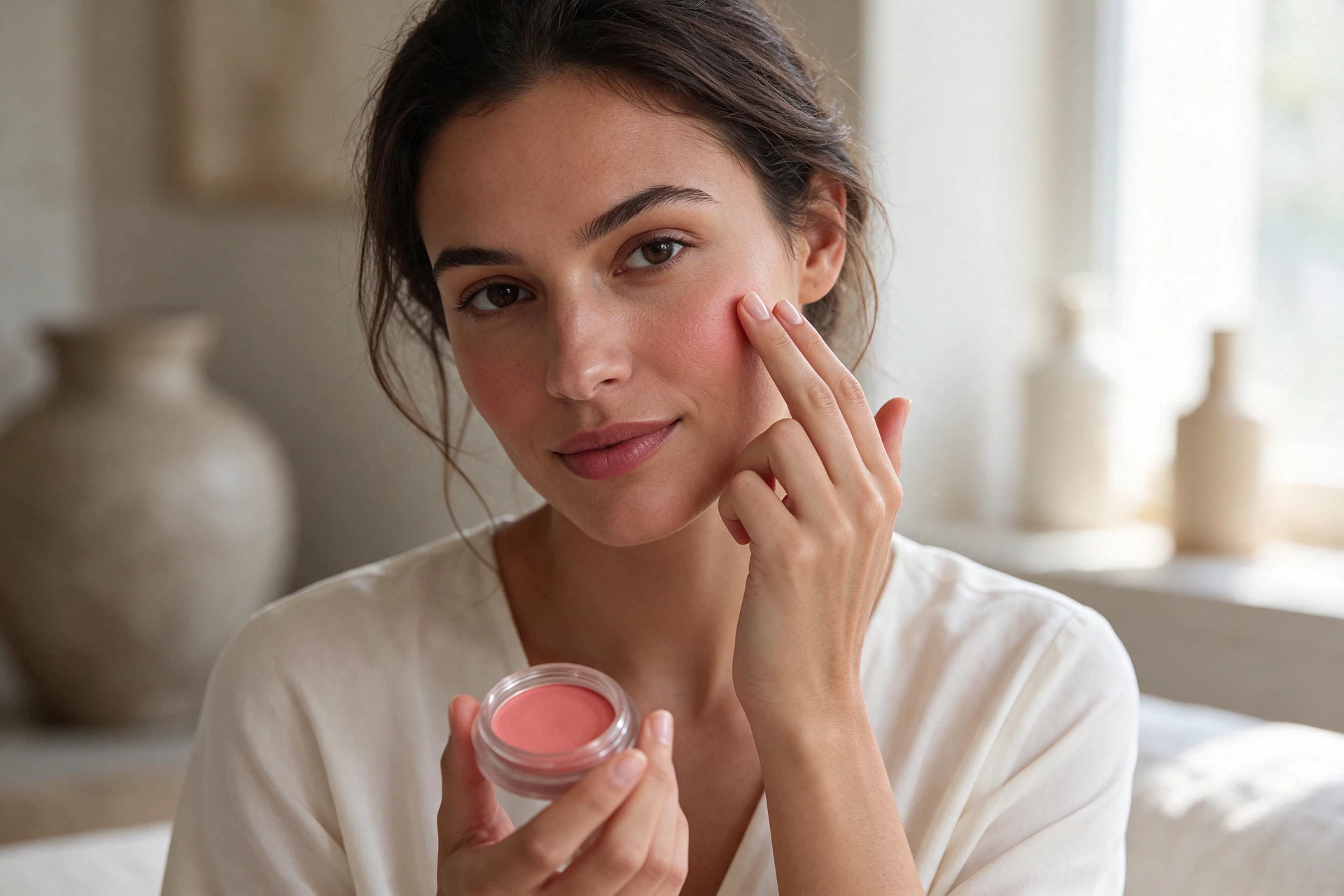
When skincare advice gets noisy, simplicity can be a useful reset. The word “glowing” means different things to different people; it might describe skin that feels comfortable and looks cared for, rather than a particular texture or finish. Skin naturally varies, and its appearance can change with weather, age, hormones, sleep, and many other factors. A routine cannot guarantee a specific look. It can, however, help you take consistent, gentle care of your skin.
Start with the everyday essentials
Build the foundation before considering extras. In the morning, use a gentle cleanser if your skin feels oily, sweaty, or in need of a wash. Some people with dry or sensitive skin prefer a rinse with lukewarm water instead. There is no need to scrub or chase a squeaky-clean feeling; tightness after washing may be a sign to choose a milder approach.
Follow with moisturizer that feels comfortable for your skin. A lotion, cream, or gel can all be reasonable choices; the best texture is one you are willing to use consistently and that does not cause discomfort. Apply it gently rather than rubbing vigorously. In the daytime, finish with a broad-spectrum sunscreen labeled SPF 30 or higher on exposed skin. Broad-spectrum labeling indicates protection against both UVA and UVB rays. Follow the product label for application and reapplication, especially during extended outdoor time, and consider shade, a hat, or protective clothing as additional measures.
At night, remove makeup and sunscreen, then cleanse with a gentle product and moisturize. If you wear long-wearing makeup or water-resistant sunscreen, a first cleansing step designed to loosen those products may be helpful; follow it with a gentle cleanser if needed. Avoid rough washcloths, forceful rubbing, and very hot water. Clean hands and a soft touch are enough.
Make consistency easier, not stricter
A routine should fit real life. Keep the products you use most where you can reach them, and avoid adding steps simply because a video or package suggests that more is better. If you miss an evening, you do not need to compensate with an aggressive scrub the next day. Return to your usual gentle routine. A straightforward baseline also makes it easier to notice whether a new product seems to disagree with your skin.
Where optional ingredients fit
Once cleansing, moisturizing, and sun protection feel manageable, you may decide to explore an ingredient aimed at a particular cosmetic concern. Common examples include retinoids, exfoliating acids such as alpha hydroxy acids (AHAs) or beta hydroxy acids (BHAs), and vitamin C. These ingredient families are not interchangeable, and products vary in strength, formulation, and instructions. Retinoids are often used in products intended to address the look of uneven tone or texture; exfoliating acids loosen some surface buildup; and vitamin C is used in some antioxidant-focused routines. These are general descriptions, not a recommendation that any ingredient is right for you or a promise of results.
Read the label, use products only as directed, and introduce just one new active product at a time. Starting several new products together makes it difficult to tell which one caused a reaction. Do not assume that a stronger formula or more frequent use will work better. If you are pregnant, nursing, managing a skin condition, using prescription treatment, or uncertain about an ingredient, ask a qualified clinician or pharmacist for advice before adding it. Product labels and individual circumstances matter.
Patch test and pay attention
Before using a new product broadly, follow its package directions for a small-area test. Apply it to a discreet patch of skin and observe how your skin responds over the period recommended on the label. A small-area test cannot rule out every reaction, but it can be a cautious first step. Keep the rest of your routine stable while you try the new item, and avoid applying an unfamiliar active ingredient to already irritated or broken skin.
Some products may cause mild, brief sensations, but persistent burning, marked redness, swelling, itching, or discomfort is not something to push through. Stop using the suspected product and return to a simple, gentle routine. Seek advice from a clinician if the irritation persists, worsens, or concerns you. For severe symptoms or a rapidly spreading reaction, get prompt medical help. Skincare guidance is not a diagnosis, and recurring or significant skin concerns deserve individual assessment.
Common routine mistakes to avoid
- Over-cleansing: Washing repeatedly or using harsh cleansers can leave skin feeling uncomfortable. Cleanse gently and adjust to your needs rather than aiming for a stripped feeling.
- Scrubbing for instant smoothness: Abrasive tools and frequent exfoliation can irritate. A smoother-feeling result is not worth persistent discomfort.
- Launching several actives at once: Add one new ingredient at a time so you can make sense of your skin’s response.
- Skipping moisturizer because of skin type: Choose a texture you find comfortable; oily skin can still benefit from a moisturizer that suits it.
- Treating sunscreen as an occasional step: Make broad-spectrum SPF 30 or higher part of daytime care, and follow its directions. No sunscreen should be treated as total protection.
- Expecting overnight transformation: Products are not guarantees, and skin changes are personal. Give a simple routine time to become a habit, while stopping anything that causes a concerning reaction.
A routine you can return to
Think of skincare as a small daily practice, not a test you must pass. Morning: cleanse gently as needed, moisturize, and apply broad-spectrum SPF 30 or higher. Evening: remove makeup and sunscreen, cleanse gently, and moisturize. Optional ingredients can wait until the basics feel settled, and they should be introduced one at a time with careful attention to directions and comfort.
For more practical reading, explore our The 10-Minute Natural Makeup Routine That Actually Works and our advice on The 10-Minute Natural Makeup Routine That Actually Works. Glow & Bold believes a useful beauty routine should support your day, respect your skin’s needs, and leave room for a clinician’s guidance when a persistent concern calls for it.